
Extracting Text from Images: The 2026 Guide to OCR
Learn how Optical Character Recognition (OCR) has evolved in 2026 and how to extract text from any image or scan with near-perfect accuracy.
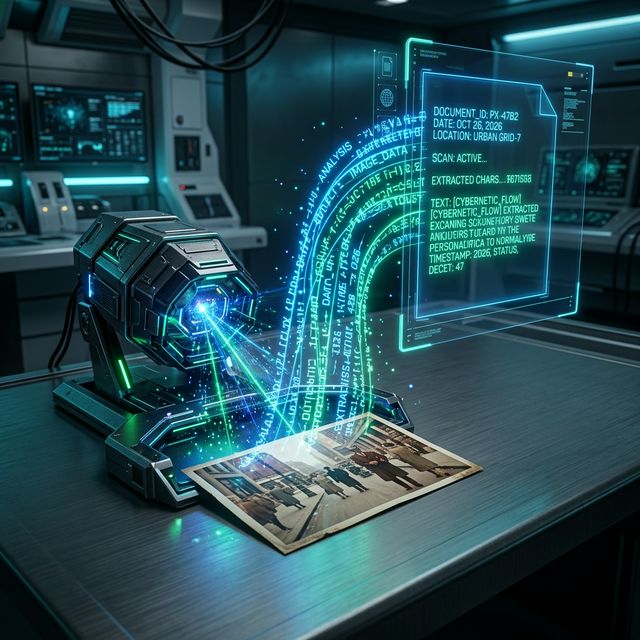
Extracting Text from Images: The 2026 Guide to OCR
Gone are the days when "Image to Text" resulted in a jumble of typos and broken formatting. In 2026, Optical Character Recognition (OCR) has reached a level of maturity where it can handle handwriting, multi-column layouts, and even stylized artistic fonts with over 99% accuracy.
Whether you're digitizing old family letters or extracting data from a pile of business receipts, here is how you can leverage modern OCR technology.
How OCR Works in 2026
Traditional OCR relied on simple pattern matching—looking for the shape of an "A" and matching it to a character. Modern engines, however, use Neural Layout Analysis. They first "understand" the structure of the document (identifying headings, sidebars, and tables) before they even start "reading" the individual words.
Why 2026 OCR is Different
- Contextual Awareness: If a word is blurry, the AI uses the surrounding sentence to predict the most likely character.
- Format Preservation: Converting an image of a table back into a functional Excel or PDF table is now a standard feature.
- Multi-Language Support: Simultaneous recognition of multiple languages on a single page is now seamless.
How to Extract Text Fast
For those who need a quick, no-install solution, browser-based tools have become incredibly powerful.
- Open your Image to Text tool.
- Upload your photo or scan.
- Choose your output (Plain Text, Word, or Searchable PDF).
- Wait a few seconds for the AI to process the document locally in your browser.
Commercial vs. Open Source
While enterprise solutions like Google Cloud Vision and AWS Textract lead the market for high-volume processing, open-source models like Tesseract 6.0 (released in late 2025) have made professional-grade OCR accessible to individual developers and small web platforms.
The Future: Semantic Extraction
We are now moving beyond just "reading" text to "understanding" it. The next generation of OCR doesn't just give you a string of words; it identifies that a specific number is an "Invoice Total" and another is a "Tax ID," allowing for instant database integration without manual data entry.
Conclusion
OCR is no longer a "niche" technology. It is a fundamental bridge between the physical and digital worlds. By using the high-fidelity tools available in 2026, you can reclaim hours of manual typing and ensure your analog data is fully searchable and editable.